


A Market That’s Moving — Just More Carefully
The US tech hiring market in 2026 feels a bit like driving through fog with GPS constantly recalculating. You’re still moving, but you’re doing it more carefully.
After the hiring surge of previous years, companies have pulled back. Hiring volumes are lower, budgets are tighter, and decisions take longer. But this isn’t a stalled market — it’s a more disciplined one.
For C#/.NET professionals, that means one thing: The bar has gone up.
Being a “Good Developer” Isn’t Enough Anymore
There was a time when strong C# and .NET skills alone could carry you through the job market. In 2026, that’s no longer the case.
Today, employers are asking:
- What business impact have you delivered?
- How do you contribute beyond writing code?
- Can you operate in modern, cloud-based environments?
The expectation now is for engineers who:
- Build scalable, production-ready systems
- Understand architecture, not just implementation
- Can collaborate across product, data, and operations
In short, companies want developers who solve problems — not just complete tickets.
AI Is Now Part of the Job
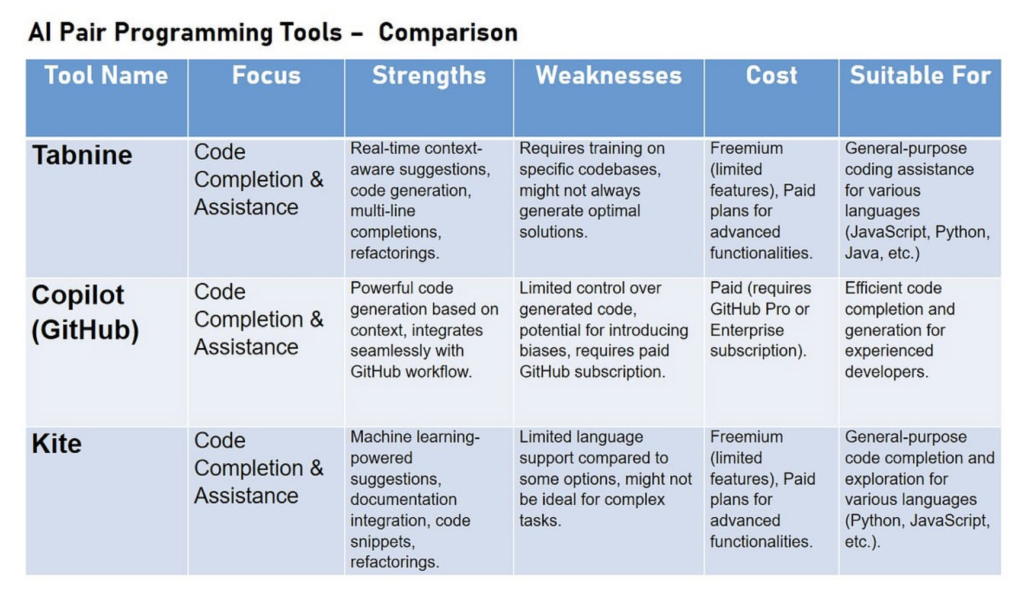
One of the biggest shifts in 2026 is the rise of AI in day-to-day development.
This isn’t limited to AI specialists. Across the US market, employers increasingly expect developers to:
- Use AI tools to improve productivity
- Understand how AI impacts software delivery
- Think critically about where AI fits into products and workflows
You don’t need to be building machine learning models — but you do need to be comfortable working alongside AI.
Engineers who embrace this are faster, more efficient, and increasingly more valuable.
Hiring Mindset: “Hire Less, Hire Better”
From the employer side, the approach to hiring has changed significantly.
Instead of scaling teams quickly, companies are focusing on:
- Fewer hires
- Higher quality
- Better alignment
This means:
- More detailed job definitions
- Longer interview processes
- Greater emphasis on well-rounded skill sets
For C#/.NET roles, employers are often looking for a blend of:
- Backend expertise (C#, .NET Core)
- Cloud experience (especially Azure, but also AWS)
- DevOps awareness (CI/CD, pipelines, automation)
- Data handling (SQL, event-driven systems)
- System design and architecture thinking
The modern .NET developer is expected to be versatile, adaptable, and commercially aware.
Remote Work: Still Available, But More Structured
Remote work hasn’t disappeared in the US — but it has matured.
What used to be fully open is now more controlled:
- Hybrid roles are increasingly common
- Companies often require candidates to be based in specific states
- Fully remote roles are still available, but more competitive
To land a remote role today, candidates typically need:
- A proven track record
- Strong communication skills
- The ability to work independently
Where the Opportunities Are
Even in a more cautious market, demand for C#/.NET engineers hasn’t gone away — it’s just become more focused.
Key areas of opportunity include:
- Modernizing legacy systems into cloud-native architectures
- Financial services and payments platforms
- Healthcare and regulated industries
- Enterprise SaaS products
- Internal platform engineering teams
At the same time, there’s a growing shift toward skills-based hiring.
Companies are becoming more open to candidates who:
- Don’t have “perfect” resumes
- Come from adjacent backgrounds
- Can demonstrate transferable, real-world skills
If you can show capability in areas like automation, scalability, performance optimization, and stakeholder collaboration, you’re still in a strong position.
What Successful Candidates Are Doing Differently
In a more competitive market, the candidates who stand out are the ones who position themselves clearly.
They:
- Show measurable impact — not just responsibilities
- Stay current with modern tools, frameworks, and practices
- Target the right roles instead of applying broadly
For example, instead of saying:
“Built APIs”
They say:
“Improved API performance by 40%, reducing response times and increasing user retention.”
That level of clarity makes a difference.
What Employers Need to Get Right
For companies, hiring success in 2026 comes down to execution.
The organizations attracting top .NET talent are:
- Moving quickly when they find the right candidate
- Offering clear role scope and growth opportunities
- Being realistic about skill expectations
- Writing job descriptions focused on outcomes, not long wish lists
Because in today’s market, top candidates still have options — and slow or unclear hiring processes cost you talent.
Final Thoughts
The US C#/.NET market in 2026 is more selective, more competitive, and more focused on real impact.
But it’s also full of opportunity — for both candidates and employers who adapt.
For candidates:
Focus on impact, stay current, and embrace modern tools — especially AI.
For employers:
Be clear, be decisive, and hire for what actually matters.
At its core, this market isn’t about volume anymore.
It’s about precision — finding the right fit, and moving with purpose.